
Stair parts · 9 min read
Stair Riser: What Is a Riser?
Learn what a stair riser is, the difference between open and closed risers, standard riser heights, code requirements, and how to choose painted vs. wood risers.
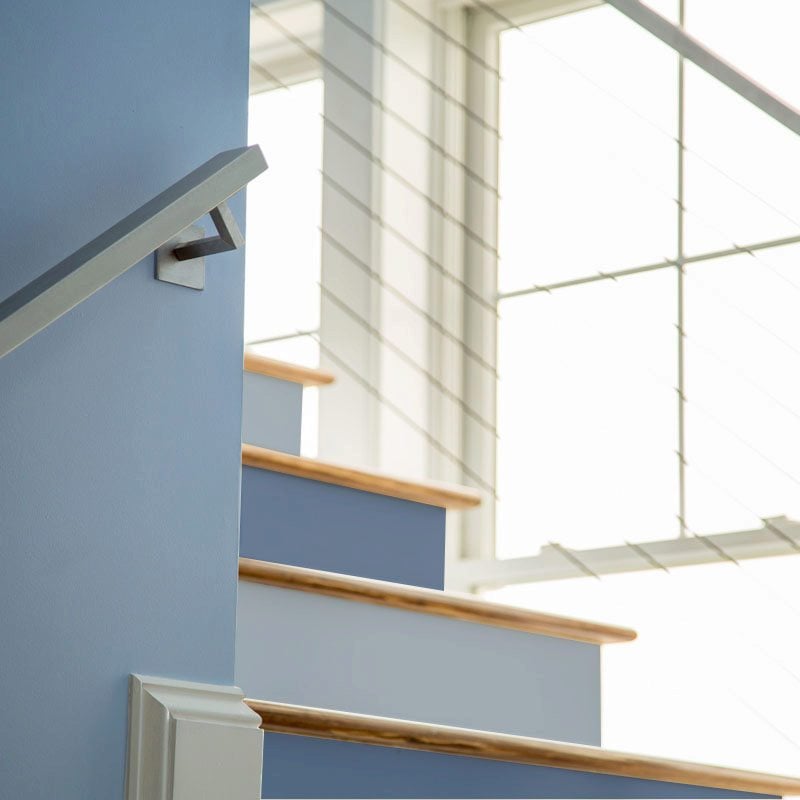
A stair riser is the vertical board that fills the gap between two consecutive stair treads. If you've ever studied the parts of a staircase, the riser is the piece you see facing you as you stand at the bottom of the stairs. It's the vertical face of each step. Some stairs have them. Some don't. Both are valid, within limits.
What Is a Stair Riser?
A stair riser is the vertical board between two consecutive treads. It closes the back of each step. The height of the riser, called the "rise" or "unit rise," is one of the two key measurements in stair design. The other is the tread depth, or "run" — the two are calculated together, as stair rise and run explains. Together, they define the slope and feel of the staircase.
Risers typically run the full width of the staircase, the same as the tread, and sit behind the nosing that overhangs them. They're usually made from the same wood as the treads, or from a paint-grade material when they'll be painted white.
What Does a Riser Do?
Risers serve two purposes: structural and visual.
Structurally, a riser ties the front of one tread to the back of the tread below it. This connection stiffens the stair frame and reduces flex. In a closed-riser stair, the riser also helps support the leading edge of the tread above it.
Visually, the riser closes the step so you don't see through to the stringer or subfloor behind. It creates a clean, finished look and gives the staircase a sense of solidity.
Open vs. Closed Risers
This is one of the most common stair design decisions. Here's how they compare:
Feature | Closed Riser | Open Riser |
|---|---|---|
Appearance | Traditional, solid | Modern, floating |
Visual openness | Enclosed | See-through |
Code compliance | Always allowed | 4" sphere limit above 30" total rise |
Structural stiffness | Higher | Lower without reinforcement |
Cleaning | Easier (enclosed) | Dust falls through |
Child safety | Safer (no gap) | Requires gap check |
A closed riser uses a full riser board to fill the vertical gap between treads. This is the traditional approach and the most common in residential construction.
An open riser leaves the space between treads empty. No riser board. This gives a floating, airy look popular in modern and contemporary homes. For more detail on both approaches, see open riser vs. closed riser stairs.
Do You Need Risers?
Not always. The IRC allows open risers in residential construction, with one condition: on any stairway whose total rise exceeds 30 inches, the opening between treads must not allow a 4-inch sphere to pass through. That's the child-entrapment standard. A short flight under 30 inches of total rise — three or four steps down to a sunken room — isn't subject to it at all.
Above that threshold the geometry gets tight, and this is where open-riser projects usually go wrong. With a 7" rise and a 1" thick tread, the clear vertical opening is about 6" — over the limit. Designers close that gap in one of three ways: reduce the unit rise so the opening shrinks, specify thicker treads (a 2" or 3" tread eats the difference quickly), or add a partial riser that covers the lower portion of each gap while keeping the open look.
None of those means abandoning the design. It means the tread thickness and rise have to be decided together rather than separately — which is exactly why open-riser stairs are usually engineered as a system rather than assembled from stock parts.
For design purposes, open risers work best on floating staircases or modern interiors where the visual lightness is a feature, not just an afterthought.
Does the Floor Count as a Riser?
Yes, effectively. The floor at the base of the staircase acts as the bottom riser. It's the vertical distance from the finished floor to the surface of the first tread. This is why the first step's actual riser height often differs slightly from the rest. It has to account for the finished floor height, which changes if you add carpet, hardwood, or tile after framing.
This is a common source of code violations. If the bottom riser ends up taller or shorter than the others by more than 3/8", you've got an inconsistent stair. Inconsistent riser heights are a tripping hazard and a code failure. Always account for final floor finishes when calculating your bottom riser.
Standard Riser Height
The IRC sets a maximum riser height of 7-3/4" (7.75"). There's no minimum listed in the IRC, but a riser height under 4" creates an uncomfortable, shuffling stair geometry.
Most residential risers land between 7" and 7.75". To find your unit rise, divide the total rise (floor-to-floor height) by the number of steps. Adjust until you're within the allowable range. The stair rise and run calculator makes this fast.
For the full code breakdown, the residential stair building code guide covers riser height, tread depth, headroom, and width requirements.
Painted and White Risers
White risers paired with stained wood treads are one of the most popular stair finish combinations in residential design. The contrast highlights the tread grain and makes the stair feel intentional rather than uniform.
Why paint-grade risers? A few reasons. Risers don't take the same foot traffic as treads, so they don't need the same hardness. Paint-grade poplar is cheaper than hardwood and takes paint cleanly. White risers also brighten the stair visually, especially in enclosed stairwells with less natural light.
For painted risers, an oil-based or waterborne alkyd paint holds up better than standard latex. It's harder, more scrubbable, and resists scuffs from foot drag. Semi-gloss or satin sheens make cleaning easier.
If you want a wood riser that matches your treads, choose the same species and apply the same stain. Keep in mind risers are end-grain on their sides, which absorbs stain differently, so do a test piece before committing.
Shop stair risers
Risers are ordered to the same width as your treads. Paint-grade is the usual choice for white risers; match the tread species if you want them stained.
Wood stair risers · 8075 stair riser · False treads & risers
FAQ
What is a stair riser? A stair riser is the vertical board between two consecutive stair treads. It closes the vertical face of each step. Riser height (called unit rise) is one of the two key stair measurements and is capped at 7-3/4" under the IRC.
What are stair risers? Stair risers are the vertical boards that fill the gap between each tread on a staircase. They run the full width of the stair and are typically made from the same wood as the treads or from paint-grade material when they'll be painted.
What is the difference between a tread and a riser? The tread is the horizontal surface you step on. The riser is the vertical board between treads. The tread handles the foot traffic; the riser closes the visual gap and adds structural connection between steps. One stair tread and one riser together form one complete step.
What is a riser on stairs? A riser is the vertical face of a step. It's the board you see facing you when you look at a staircase straight on. Together with the tread, it defines both the height and the visual character of each step.
White stair risers vs. wood: which looks better? Neither is objectively better. White risers with stained wood treads create a high-contrast, clean look that's especially popular in transitional and contemporary interiors. Matching wood risers give a more traditional, uniform appearance. The right choice depends on your trim color, floor finish, and personal style.
Internal links: Stair Anatomy Hub · What Is a Stair Tread? · What Is Stair Nosing? · Open Riser vs. Closed Riser · Stair Rise and Run
Keep reading
All resources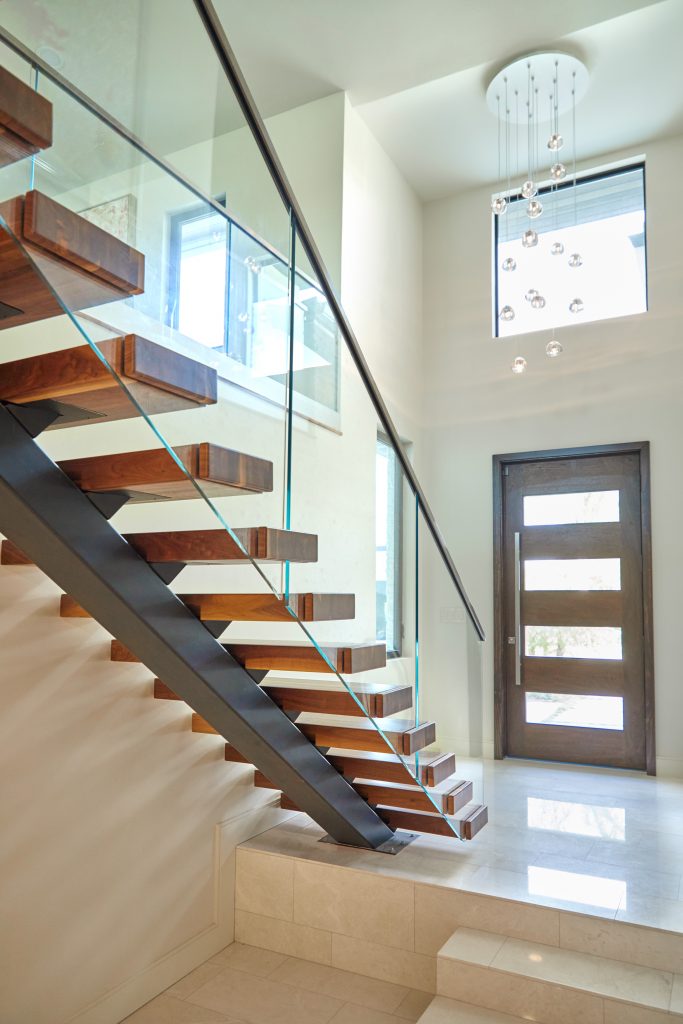 GuideStair partsRise and Run: What Are They and How Do You Calculate Them?Rise and run are the two core dimensions of every stair step. Learn the standard sizes, how to calculate them, and what the building code requires.8 min read
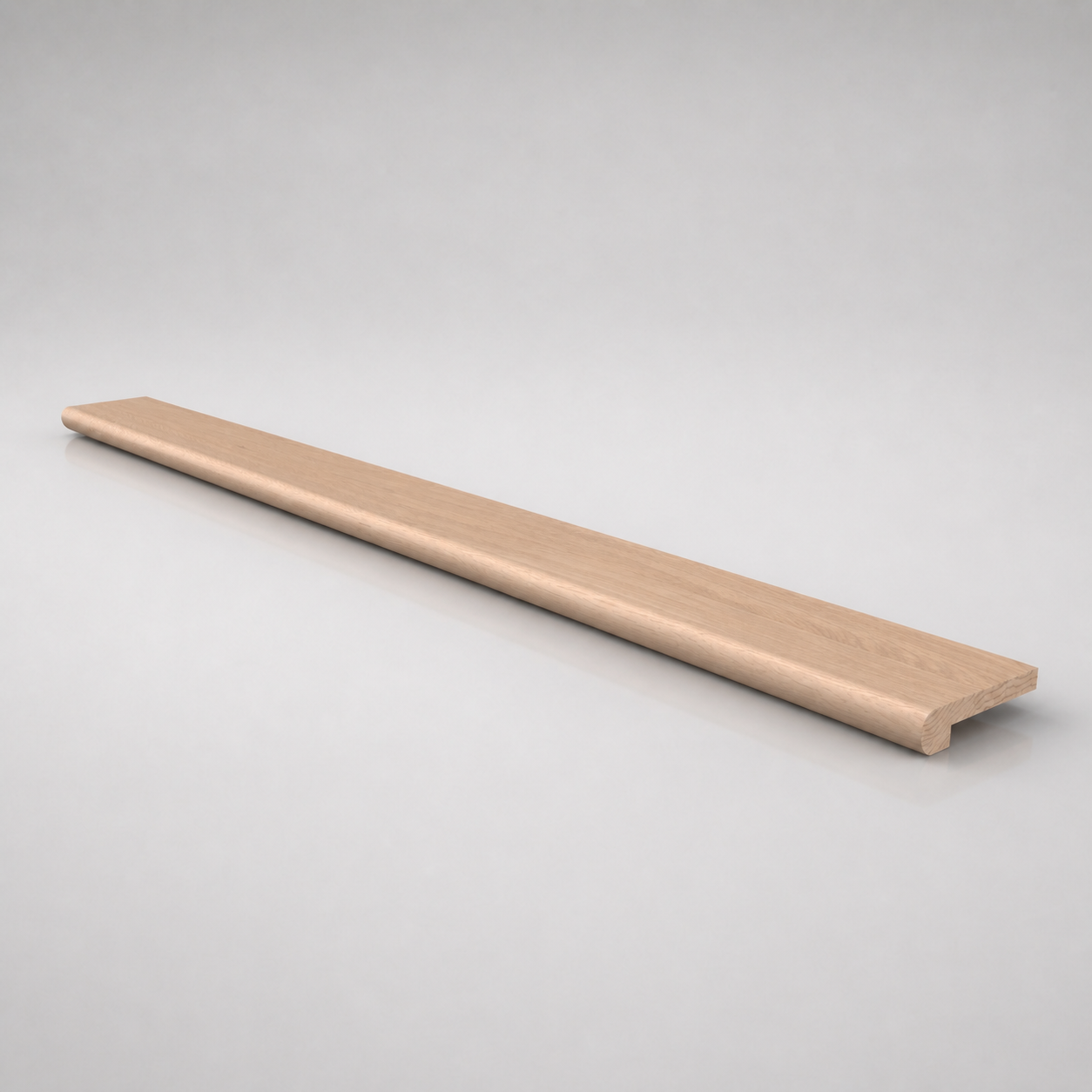 GuideStair partsLanding Tread: What Is a Landing Tread?Learn what a landing tread is, how it differs from a stair tread, where landing treads are used, and when you need a landing panel instead.8 min read
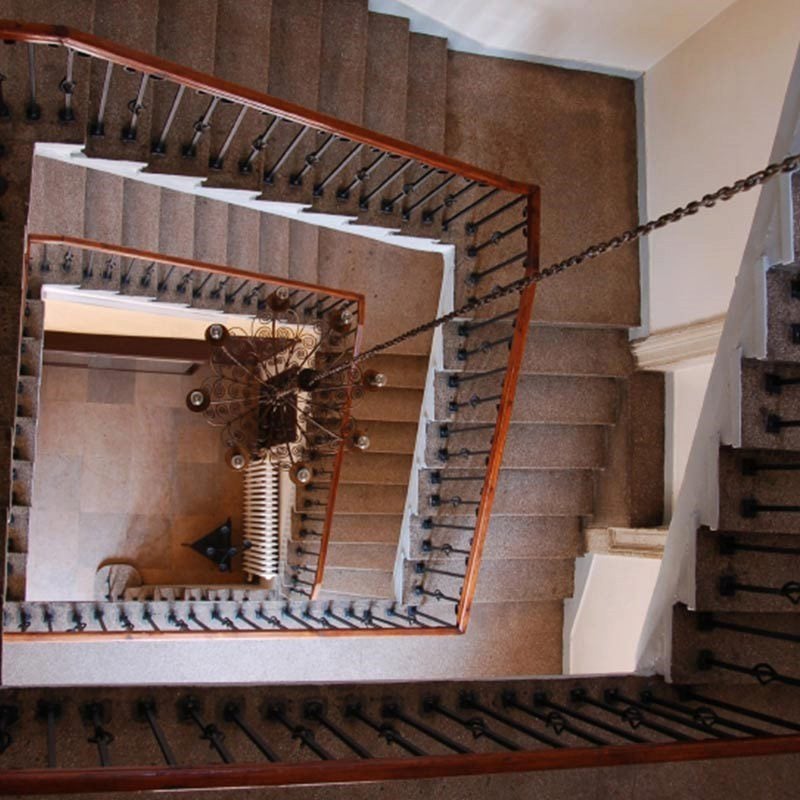 GuideStair partsBaluster: What Is a Baluster?A baluster is the vertical post that fills the open space of a stair railing. Learn how they differ from spindles and pickets, sizing, spacing, and more.9 min read