
Stair parts · 9 min read
Baluster: What Is a Baluster?
A baluster is the vertical post that fills the open space of a stair railing. Learn how they differ from spindles and pickets, sizing, spacing, and more.
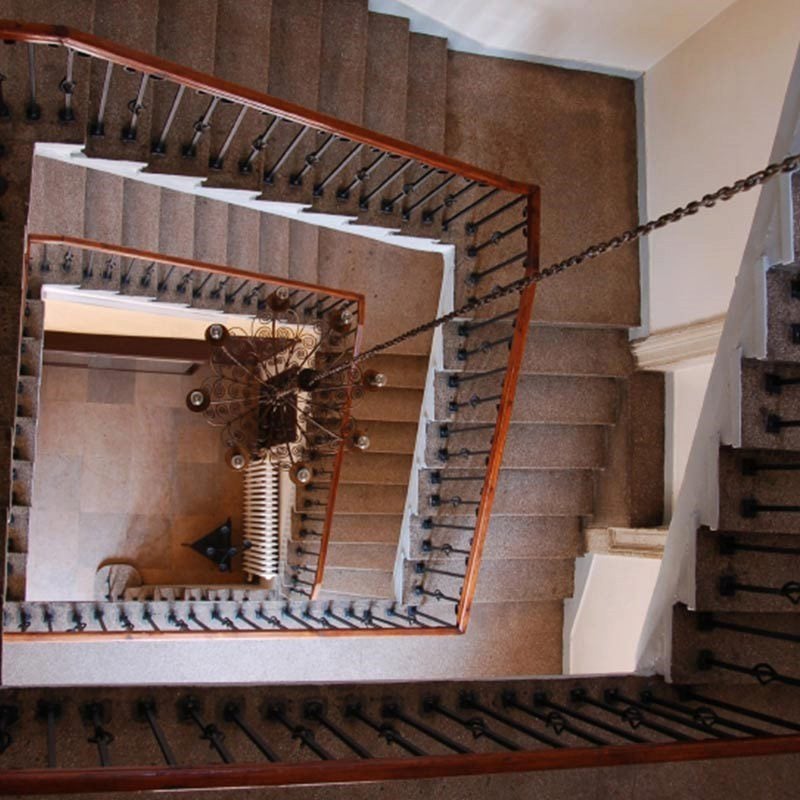
A baluster is the vertical post that fills the open space between a handrail and the tread or floor rail below it — one component of the wider balustrade. It's one of the key parts of a staircase — the piece most people are looking at when they look at a staircase. Balusters do two things: they guard the open side of the stair against falls, and they define the visual character of the whole railing system.
Baluster vs. Spindle vs. Picket vs. Banister
The naming here causes a lot of confusion. Here's the breakdown.
Spindle means exactly the same thing as baluster. The two words are interchangeable. "Spindle" is used more often in the UK and in older American literature. In the US trades, "baluster" is the standard term.
Picket describes the same profile — a vertical post in a railing — but it's used for deck and porch railings rather than stair railings. The form is identical. The context is different.
Banister is often used informally to mean the whole railing assembly: handrail, balusters, and newel posts together. It doesn't refer to a single baluster. See the what is a banister article for a full breakdown of that term.
So: balusters and spindles are the same thing. Balusters are not the handrail, and they're not the newel post.
What Balusters Do
Balusters serve two functions, structural and aesthetic, and both matter.
Structurally, balusters fill the guardrail opening. Building code requires a guardrail on open stair sides above a certain height, and balusters are typically what forms that guard.
Two separate code requirements govern them, and they are easy to conflate:
Opening — IRC R312.1.3 limits the gap. No 4-inch sphere may pass through anywhere in the guard.
Strength — IRC Table R301.5 sets the loads. A 200-pound concentrated load applies at the top of the guard or handrail; guard in-fill components are evaluated at 50 pounds applied horizontally over one square foot.
Spacing satisfies the first. Installation method satisfies the second. A baluster layout can pass the sphere test and still fail structurally if the balusters are only glued in place.
Aesthetically, balusters are the most visible design element of a staircase. Their profile, material, and pattern set the style of the whole railing more than any other component. A traditional staircase uses turned wood balusters. A contemporary stair uses square iron or cable. A craftsman home often uses flat panel wood balusters. The craftsman vs. modern vs. traditional stair style guide covers how baluster choice shapes each look.
Iron vs. Wood Balusters
The two dominant materials for residential stair balusters are iron (wrought iron or steel, powder-coated) and wood.
Iron Balusters | Wood Balusters | |
|---|---|---|
Finish | Powder-coated (black most common) | Paint or stain |
Profiles | Twist, basket, square, hammered | Turned, square, flat panel |
Install method | Drill-and-epoxy or shoe mount | Dowel into tread, top into plowed rail |
Durability | High — won't split or warp | Moderate — susceptible to impact damage |
Style fit | Contemporary, transitional, traditional | Traditional, craftsman, colonial |
DIY friendly | Yes |
Iron balusters have taken over most of the residential market over the last 20 years. They're durable, consistent, and available in dozens of styles. Browse the iron baluster styles guide to see the range.
Baluster Sizes and Patterns
Standard iron baluster sizes: 1/2-inch square and 9/16-inch square are the most common. Larger 3/4-inch profiles are used for heavier or more traditional looks.
Height: Baluster height depends on handrail height. With a standard 36-inch handrail (measured from tread nosing), a baluster at a stair tread runs roughly 28 to 32 inches from tread to underside of rail. At 42-inch commercial heights, they're proportionally taller.
Patterns: The most common residential pattern is two balusters per tread, landing between the newel posts at each end of the run. Single-baluster patterns are sometimes used with wider treads or more open styles. Alternating patterns — one twist and one straight per tread, for example — add visual interest. See the iron baluster spacing guide for pattern layout math.
Baluster Spacing and the 4-Inch Sphere Rule
IRC R312.1.3 states that the space between balusters must not allow a 4-inch sphere to pass through. That's the "4-inch sphere rule," and it drives everything about baluster spacing.
Here's a quick worked example. Say your tread run is 11 inches — that is the depth from nosing to nosing, not the 36–48" width of the stair — and you plan two balusters per tread: - Combined baluster width (two 1/2-inch balusters): 1 inch - Remaining space: 10 inches - Split into three openings (outside, between, inside): roughly 3.3 inches each
That clears the 4-inch rule. One caution: on the rake, the sphere is tested through the sloped opening, not the horizontal one, so a layout that measures 3.3" flat can measure differently on the angle. In practice the exact spacing depends on baluster size, tread run, rake angle, and newel location. The baluster spacing rules page covers this in detail.
How Many Balusters Do I Need?
The quick formula: (number of treads × balusters per tread) + rake balusters on landing sections. For most residential stairs, two balusters per tread is standard.
The exact count depends on your tread width and the spacing rule. Read the how many balusters do I need guide for a full walkthrough with a calculator.
How to Measure Baluster Length
Balusters on a rake are not all the same length, and this catches people out.
On the level sections — landings and balconies — every baluster is the same: measure from the floor or shoe rail to the underside of the handrail.
On the rake, each tread carries two balusters at different lengths, because the rail climbs while the tread stays flat. The front baluster is shorter than the back one by roughly half the unit rise. So a stair with a 7.5" rise has a front-to-back difference of about 3.75" on every tread, repeating up the whole flight.
What to measure: - Shortest baluster: front position on any tread, from tread surface (or shoe rail) to underside of rail. - Longest baluster: back position on the same tread, same reference points. - Count: two per tread on the rake, plus the level runs.
Order to the longest and cut down, and buy a few extra — iron balusters are cut to length on site and wood balusters are cut at the top tenon. If you are ordering from a supplier who asks only for one length, they are assuming you will trim, so confirm before you commit.
Shop balusters
Order to your longest baluster and cut down. Iron balusters ship in fixed lengths and are trimmed on site.
Iron balusters · Wood balusters · Shoe rail · Baluster finish samples
FAQ
What is a baluster?
A baluster is the vertical post that fills the open space in a stair or landing railing, between the handrail above and the tread or floor rail below. It guards the open side of the stair and defines the visual style of the railing.
What is the difference between a baluster and a spindle?
Nothing. They're the same thing. "Spindle" is used more commonly in the UK; "baluster" is the standard trade term in the US. Both describe the vertical infill posts of a railing.
What is the baluster spacing rule?
Per IRC R312.1.3, the clear space between balusters cannot allow a 4-inch sphere to pass through. In practice, this means balusters must be spaced no more than about 4 inches apart (measured between the inner faces).
How many balusters per tread?
Two balusters per tread is the most common residential standard. It's the layout that most reliably meets the 4-inch spacing rule on standard tread widths. Some stairs use one baluster per tread with wider profiles, but verify spacing before ordering.
Internal links: Hub: Stair Anatomy · What Is a Balustrade? · What Is a Banister?
Keep reading
All resources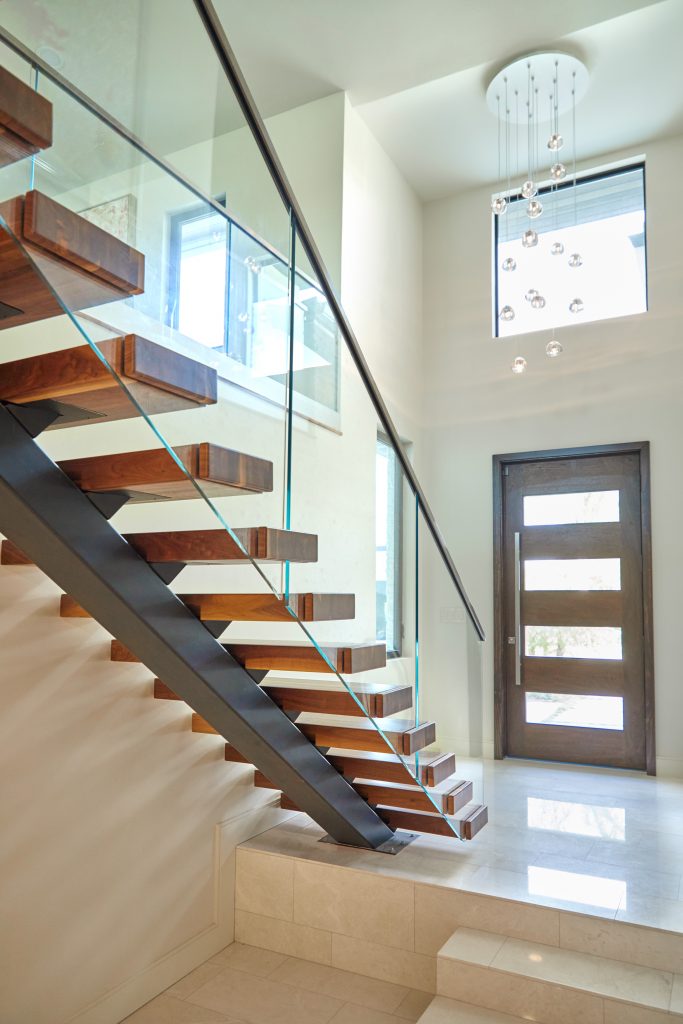 GuideStair partsRise and Run: What Are They and How Do You Calculate Them?Rise and run are the two core dimensions of every stair step. Learn the standard sizes, how to calculate them, and what the building code requires.8 min read
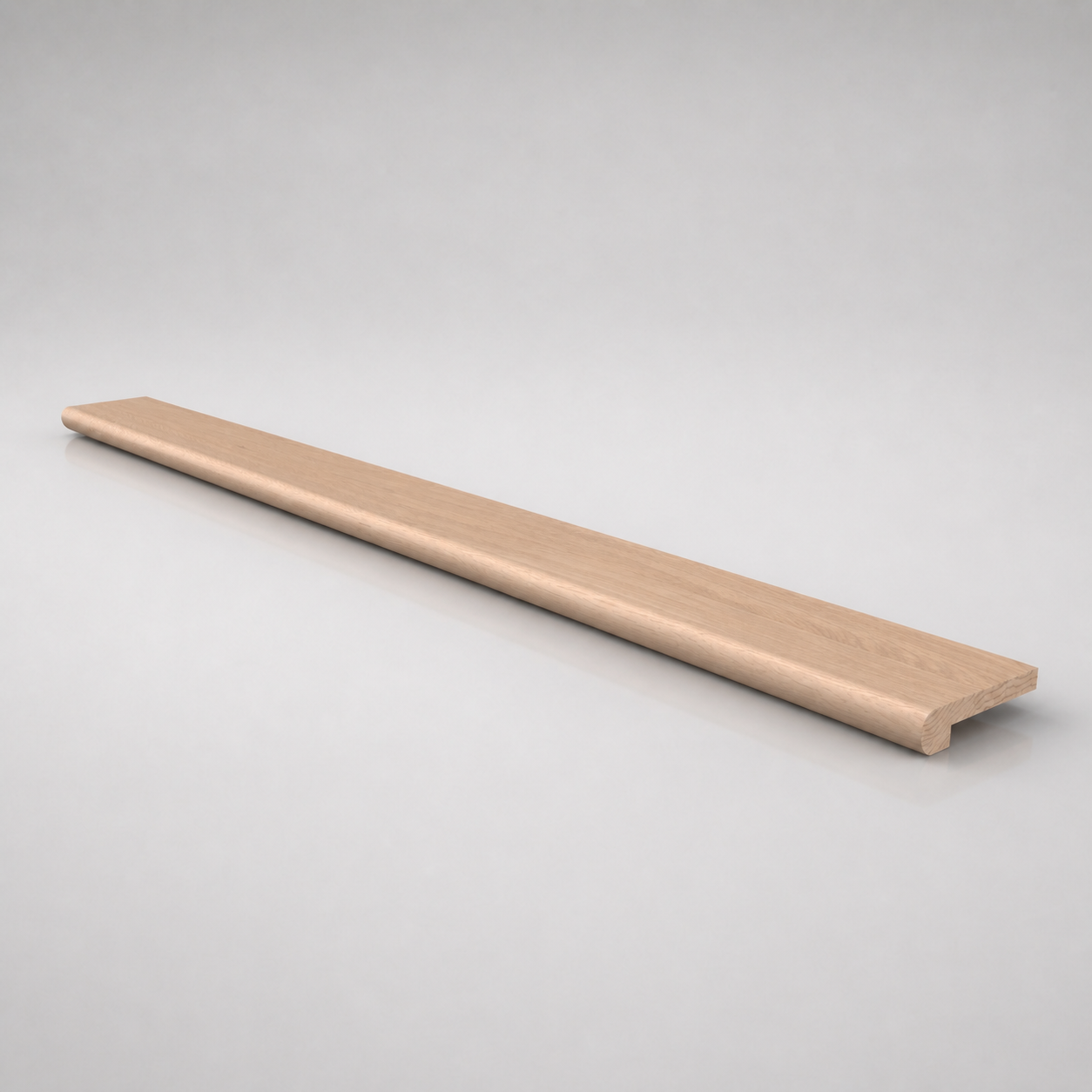 GuideStair partsLanding Tread: What Is a Landing Tread?Learn what a landing tread is, how it differs from a stair tread, where landing treads are used, and when you need a landing panel instead.8 min read
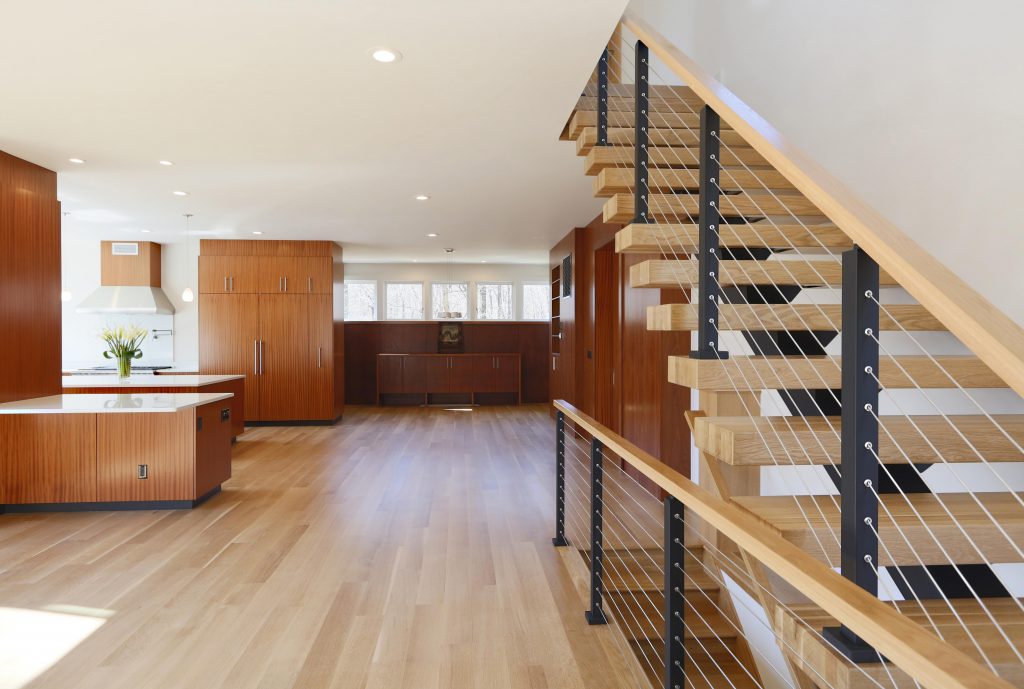 GuideStair partsFlight of Stairs: What Is a Flight?A flight of stairs is an uninterrupted run of steps between two levels. Learn how many stairs make a flight, the etymology, and how flights relate to landings.8 min read